


You are sitting at a kitchen table in Glenorchy on a Tuesday evening. The rain drums against the window while the kettle cools. You have a notebook open and a browser tab waiting. You are not here for a flashy promise. You are here to see whether dual-view pokies actually hold up outside the capital cities. The phrase duo mode casino games Australia keeps surfacing in your search results, and you want to know what it means on the ground before you commit a single dollar.
Most operators dress this feature up as a convenience. You should treat it as a question of risk allocation. A second window, a split screen, or a mirrored layout changes how quickly you can move between sessions. It also changes how easily you can lose track of your own limits. Grace Hill, Managing Partner at Flinders Interactive Group, puts it plainly: “A dual-view setup rewards players who already track their own session times, but it punishes anyone who treats the second pane as a free pass.” Her point matters because regional players often play on older devices with slower connections, and a crowded interface can obscure the very controls you need.
Regional access patterns
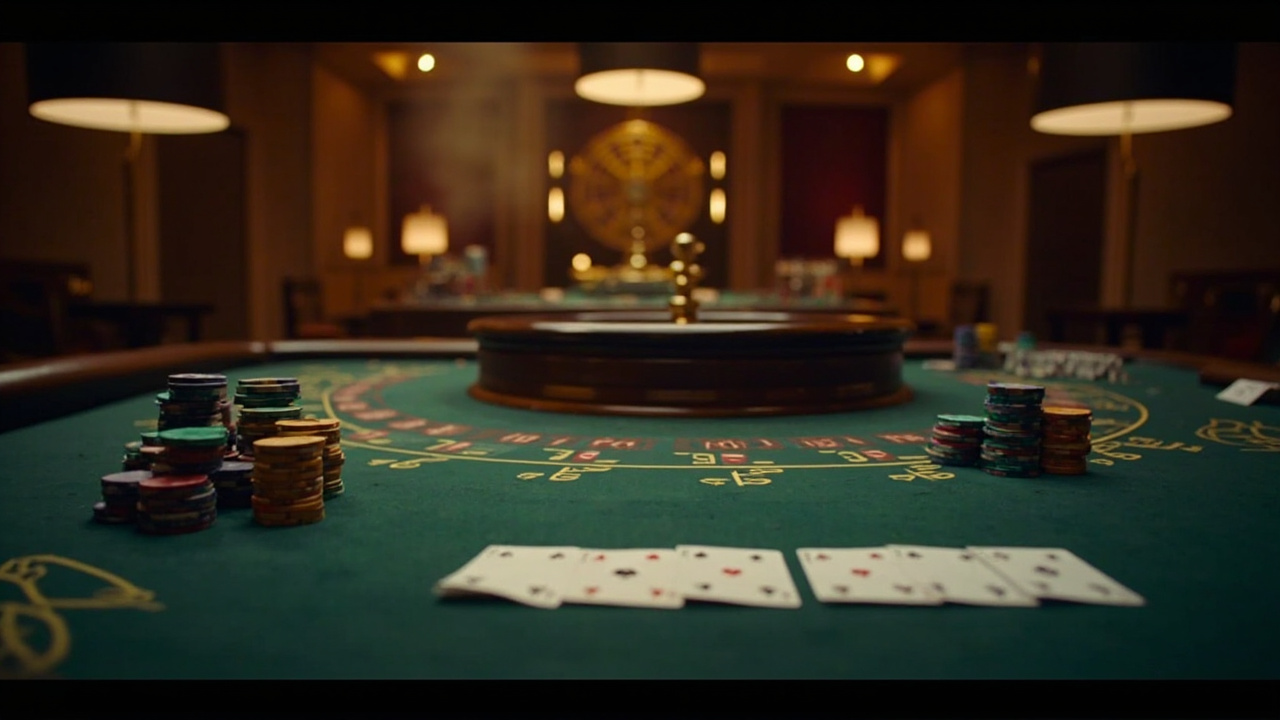
Outside Sydney and Melbourne, the availability picture looks uneven. The ACT has clubs with pokies but no full commercial casino comparable to the big cities for many years, with Casino Canberra being table-games focused historically. That history shapes expectations. A player in Hobart is not walking into the same ecosystem as a player in Crown Perth, and the digital equivalent reflects that gap. Some regional sites lean on dual-pane layouts to compensate for slower local infrastructure, while others simply replicate a metro design and hope it loads.
You can test the difference yourself in a few minutes. Open the same game on a phone and on a laptop, then note the load time, the button spacing, and whether the second view actually adds information or just adds noise. If the second pane duplicates the same reels without a clear purpose, you are paying a cognitive tax for no gain. Annika Kelly, Head of Product at Harbour City Gaming Review, warns that “a second view should reduce decision friction, not multiply it, and the best products prove that within the first three spins.” Her team’s assessments often flag interfaces that look busy but leave the core controls buried.
A short field check helps. Pick one game, set a timer for eight minutes, and play only on the primary screen. Then repeat with the dual view active and compare how often you reach for the balance or limits panel. The goal is not to prove one layout superior in the abstract. The goal is to see which one keeps your own rules visible when the session gets busy.
Hobart quirks and local anchors
Hobart does not behave like a metro market, and that affects how you should judge any dual-view feature. The ferry terminal crowds thin out by dusk, and the same is true for weekend traffic on the Tasman Bridge. People here are used to timing things around weather, not around app promises. A dual-screen setup that works in a warm city apartment can feel clumsy on a shared family device in a colder room.
You will also notice that local players tend to compare offers the way they compare a long drive: by the return, not the scenery. A site that advertises a dual pane but hides the wagering details behind another click will lose trust quickly. The practical test is simple. Before you deposit, locate the limits panel, the session timer if one exists, and the full terms for any bonus attached to the feature. If any of those three takes more than two clicks, treat that as a signal.
Some players cross-check product claims against mainstream reporting before they commit. A quick read on local news coverage can surface whether a brand is running the kind of promotions that actually suit a cautious bankroll. Others prefer to read a broader rocket play review that touches on dual-view behaviour specifically, since a single feature rarely tells the whole story. Neither source replaces your own check, but both can save you from a misleading first impression.
How the dual view actually works
The core idea is straightforward. One pane shows the main game, and the second pane either mirrors it, holds a separate session, or displays a complementary view such as a history strip or a live stats panel. The value depends entirely on what the second pane is doing. A mirror that merely duplicates the same reels adds little. A parallel view that lets you track a second line or compare two bet sizes can sharpen your own decisions, provided the layout stays clean.
You can judge the design in one session. Start with a small stake, say five dollars, and watch whether the second pane updates in real time or lags behind. Note whether the balance, the bet selector, and the stop button remain equally accessible in both views. If the secondary pane forces you to tap through extra menus just to change a setting, the feature is working against you. A good dual view keeps the same controls within the same reach in both panes.
A useful comparison comes from older machine design. The term “one-armed bandit” comes from the side lever and the machine’s habit of taking players’ money. The nickname survives because it captures a real dynamic: a device that looks simple can still extract money through repetition and habit. A dual-view screen can amplify that dynamic if it encourages faster switching without better information. The safeguard is to treat the second pane as a monitor, not as a second invitation to chase.
Roulette and the dozen bet
Dual views become more useful when you are tracking multiple outcomes at once, and roulette is a fair test case. A bet on the first, second or third dozen pays 2 to 1. That fixed payout makes the dozen bet a clean reference point for comparing how two views handle the same decision. If one pane shows the wheel and the other shows your dozen coverage, you can see at a glance whether your exposure is spread evenly or concentrated in one section.
Try a simple exercise. Place a hypothetical dozen bet in one pane, then use the second pane to record the result of each spin without changing your stake. After ten spins, compare the recorded pattern with your actual balance movement. The point is not to find a system that defeats the house. The point is to see whether the second view helps you notice your own behaviour, such as raising the stake after a loss or sticking to a line you had already decided to leave alone.
The same discipline applies to pokies with dual panes. A second window should make your limits more visible, not less. If the layout encourages you to open a fresh session before the first one has settled, you are trading clarity for momentum. Momentum is not a strategy, and it is especially risky on a tablet or phone where the balance can sit off-screen while you tap around.
What to check before you commit
A cautious player does a short inspection before any deposit. Run through this sequence once, in order. Open the game in a single pane and note the load time and the position of the limits button. Activate the dual view and confirm that the same controls remain easy to reach. Set a hypothetical deposit of fifty dollars and a time limit that fits your evening, then play only to see whether the second pane keeps those constraints in view. Stop the moment the layout hides a control or adds a step you did not expect.
The check takes about fifteen minutes and it does not require a large balance. It does require you всё это есть у нас to watch for one specific failure mode: a second pane that looks informative but actually duplicates the same action without adding a decision aid. That failure is common enough that you should treat it as a default suspicion until the interface proves otherwise. A product that passes this check is not necessarily generous. It is simply honest about what the second view does.
Read the terms attached to any bonus tied to the feature before you accept it. Look for wagering requirements, game restrictions, and time limits that apply specifically to the dual-view mode if the operator distinguishes it. If the terms are vague or split across several pages, that is not a minor inconvenience. It is a reason to slow down and compare with another site that writes its conditions in one place.
Everyday signs of a decent setup
A well-built dual view earns its place through small behaviours, not big claims. The buttons stay where you expect them. The balance updates without a delay that makes you second-guess the number. The second pane has a clear job, such as showing history, a second bet line, or a live readout, and it does that job without crowding the main screen. Those signs are modest, but they matter because they tell you the product was designed for a real session rather than for a screenshot.Cricket
You can spot the opposite pattern quickly. If the second pane asks you to re-enter settings you already chose, or if it pushes a new promotion every time you switch views, the feature is serving the operator’s agenda more than your own. That is the kind of design that feels polished in a demo and frustrating after twenty minutes. The difference is usually visible before you stake anything, which is why a short hands-on check is worth more than a polished marketing page.
A final practical tip: set your own rule before you open any dual-view game, and write it down where you can see it during the session. Decide the stake, the time limit, and the point at which you close the second pane regardless of what is happening on screen. A dual view is only useful if it helps you keep a rule you already made. If it does not do that, close the extra pane and play on a single screen where your own limits stay in front of you.